Uncategorized
Iboga in Australia: What You Need to Know About Ibogaine, Legality and Safety
Sep
Interest in iboga in Australia has grown as more people search online for information about ibogaine, the psychoactive compound associated with the African iboga plant. Searches for terms such as ibogaine Australia, iboga treatment Australia, iboga retreat Australia, and ibogaine legality Australia often lead to conflicting information.
Before considering iboga or ibogaine, it is important to understand what it is, why people are interested in it, and—most importantly—how Australian drug and medicines legislation applies.
What Is Iboga?
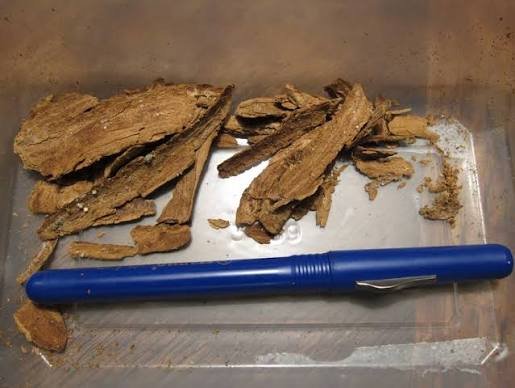
Iboga is a shrub native to Central and West Africa, particularly associated with traditional spiritual and ceremonial practices. Its root bark contains several naturally occurring alkaloids, including ibogaine.
Ibogaine has attracted scientific interest because researchers have investigated its effects on the nervous system and its potential therapeutic applications. However, interest in research should not be confused with established medical approval or proof that ibogaine is a safe treatment for a particular condition.
Is Ibogaine Legal in Australia?
This is one of the most important questions for anyone searching for ibogaine in Australia.
Australia regulates medicines and psychoactive substances through the Poisons Standard, which classifies substances according to the degree of control recommended over their availability. The Therapeutic Goods Administration (TGA) states that the Poisons Standard has legal effect through relevant state and territory legislation.
Current Australian legislation lists ibogaine in Schedule 4 of the Poisons Standard.
This means people should not assume that ibogaine products advertised online can legally be purchased, imported, supplied, or used simply because they are marketed as natural or plant-derived.
Australian import controls also list ibogaine, meaning importing ibogaine products can involve additional legal restrictions.
Why Is Ibogaine Controversial?
Ibogaine is a powerful psychoactive substance, and its effects can vary considerably between individuals. There are also significant safety concerns, including potentially serious effects on heart rhythm.
This makes professional medical assessment particularly important. A substance being naturally derived does not automatically mean that it is safe, suitable, or legally available as a treatment.
Iboga Retreats and Treatment in Australia
People searching for iboga retreats in Australia should carefully investigate what is actually being offered. A retreat, wellness program, or overseas treatment centre is not necessarily a regulated medical service.
Before engaging with any provider, consider checking:
- Whether the organisation is legally authorised to provide the service
- What substance is actually being supplied
- Whether qualified medical professionals are involved
- What emergency procedures are available
- Whether health screening is performed
- Whether claims about treating addiction or other conditions are supported by credible evidence
Be particularly cautious about websites making guaranteed or exaggerated health claims.
Research and the Future of Ibogaine
Scientific researchers continue to investigate ibogaine and related compounds. However, research interest does not automatically establish a treatment as safe, effective, or legally available to the public.
For Australians considering ibogaine, the safest starting point is accurate information from appropriate Australian health and regulatory authorities.
Final Thoughts on Iboga in Australia
Interest in iboga Australia, ibogaine Australia, and related searches is likely to continue as research and public discussion develop. However, anyone considering iboga or ibogaine should understand the legal framework and potential health risks before making decisions.
Australian drug regulation can also vary through state and territory legislation, so checking the rules applicable to your location is important.
For reliable regulatory information, consult the Australian TGA and relevant state or territory health authority rather than relying solely on commercial websites or social-media claims.
